
1. Charcoal Rose With Blackwork Veins
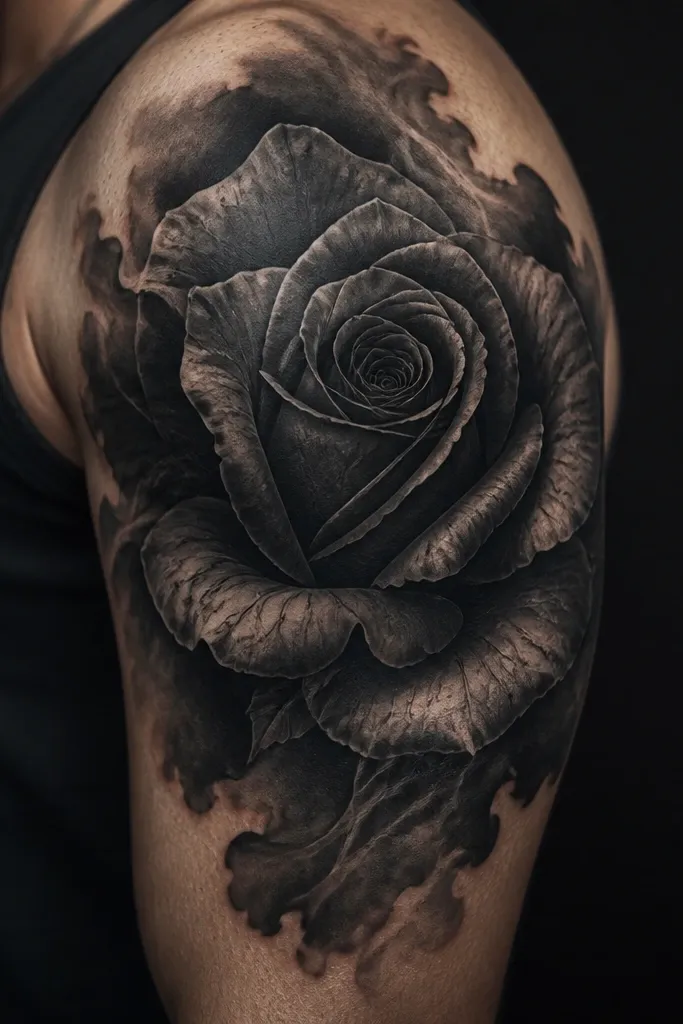
This works because roses already have built-in structure: layers of petals create natural zones where old ink can disappear under darker value. I like charcoal for the petals because it looks smoky and modern instead of harsh. The blackwork vein lines give the design a "graphic" feel that hides uneven old linework. The negative space breaks keep it from turning into one heavy blob.
Place it on upper arm or forearm, where the rose can sit diagonally along the muscle line. Ask for a soft gradient from deep charcoal at the base to lighter smoke around the petal edges, then a denser black center for contrast. Frame the bloom with a thin dark edge so the old tattoo's borders get swallowed.
Pro tipBring a reference of a rose that has visible petal layering, not a flat silhouette, so the artist has places to grade the shading.
AvoidDon't request a "solid black rose" with no petal separation - it usually reads like a stamp.
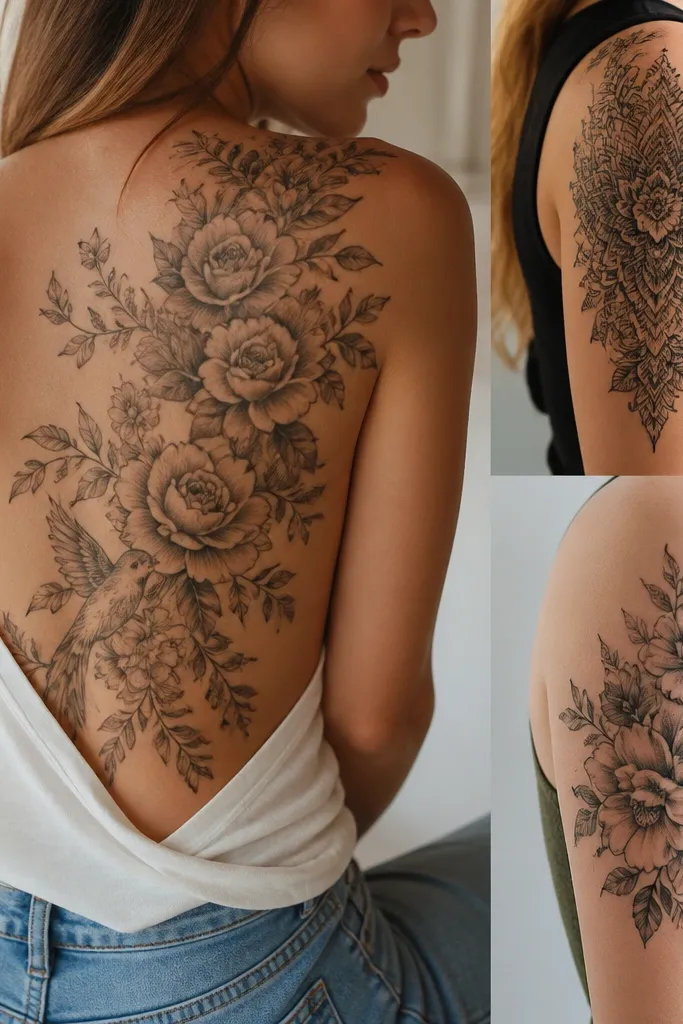
2. Geometric Black Mandala Over Busy Floral
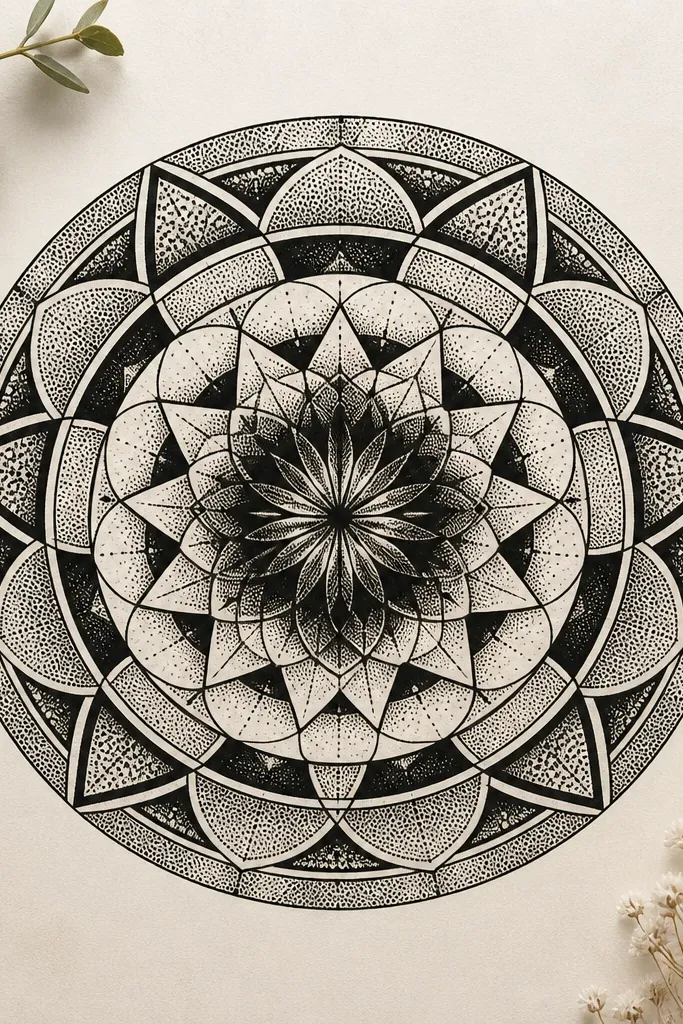
Mandala patterns are forgiving for cover ups because they break the old tattoo into a new repeating system. The thick segments hide old edges, while stipple creates texture that makes the cover look intentional. Geometric shapes also help when your original tattoo has random flowers or cursive - you're replacing the visual language. The halo gaps keep it from looking like a full blackout.
Scale it so the outer ring extends 1-2 cm beyond the old tattoo's widest point. Use a central dark medallion, then work outward with alternating thick bands and stippled fields. On forearm, tilt the circle slightly so it aligns with how you naturally rotate your arm.
Pro tipAsk for a "map" in the stencil stage: show the artist where your old tattoo sits, then confirm the thickest bands land over those zones.
AvoidAvoid mandalas made of too many tiny lines - thin symmetry grids blur when the skin moves.
3. Koi Smoke Sleeve Panel
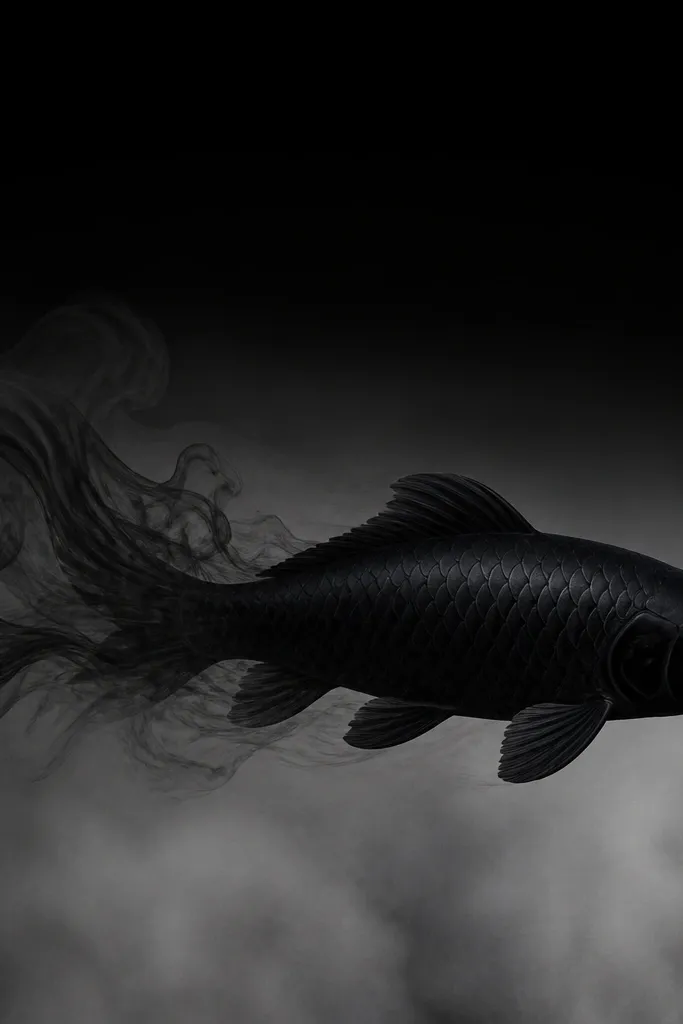
Koi cover ups work because the body shape gives you a strong "read" and the smoke background fills gaps left by old ink. The thick contour line hides broken lines from prior tattoos, and the gradient smoke makes the transition look modern. This design also photographs well because the fish silhouette stays clear at distance. It feels sleek rather than overly ornate.
Use a panel layout on upper arm or outer forearm, sized to cover the old tattoo's length. Keep the koi's main body darker than the smoke, then fade the smoke outward with a soft charcoal tone. Add small negative-space waves to break up the black and prevent a flat look.
Pro tipIf your old tattoo is multicolor, ask for the smoke background to be slightly lighter than the koi body so the cover has depth.
AvoidDon't place the koi too vertically on the forearm; it can distort badly when you bend your wrist.
4. Blackthorn Branch With Heavy Shading
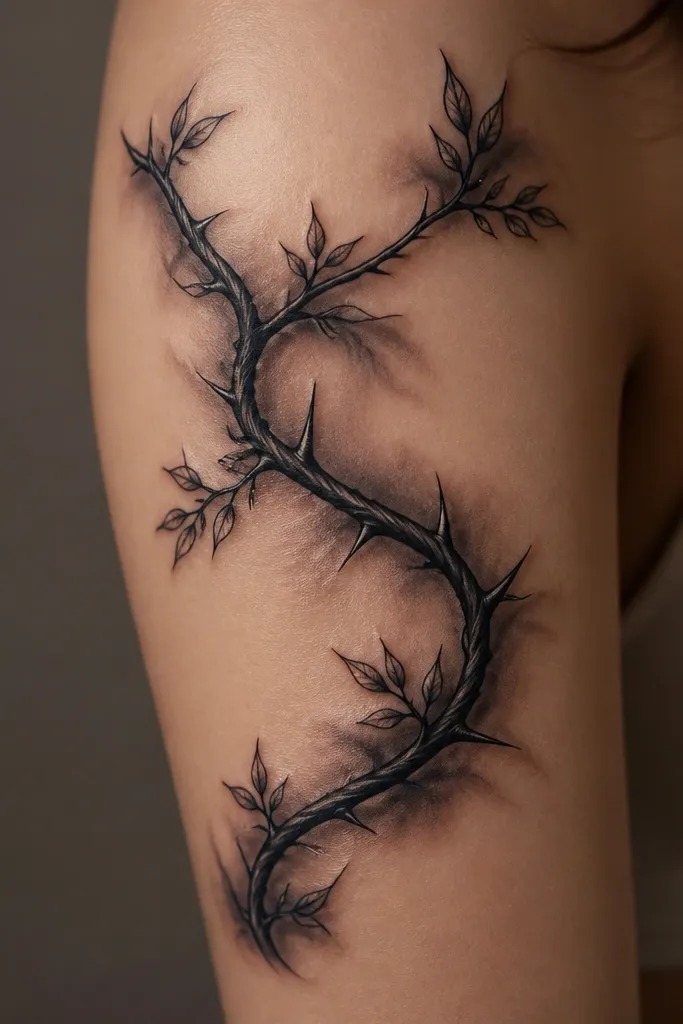
Thorn and branch designs cover well because they give you lots of natural "edge breaks" where old ink can sit without being obvious. Thick linework becomes the new boundary, while smoky shading fills the area between. This style looks modern because it's not overly detailed; it's controlled and bold. The branch direction also guides the eye away from the covered spot.
Choose a branch that matches your limb's angle: diagonal on forearm, sweeping curve on upper arm. Keep leaf details larger than you think - tiny leaves look muddy under dark gradients. Build shading in bands so it hides inconsistencies in skin tone and old tattoo saturation.
Pro tipAsk for slightly different black densities in the thorn clusters so the piece doesn't look like one uniform ink layer.
AvoidSkip super fine leaf veins - they disappear under cover-up shading.
5. Night Bloom Lotus With Deep Navy Shadows

Lotus designs feel feminine and modern because they have symmetry and layered petal geometry. Deep navy shadows make the tattoo look less flat than straight black and help it age with more character. The dotwork halo hides patchy areas from older ink. The result reads as intentional even if your old tattoo had curves or lettering.
On inner arm or upper thigh, center the lotus so it sits where it can stretch with movement. Use near-black linework for petal edges, then blend navy into charcoal for the petal interiors. Keep the dotwork halo 5-8 mm beyond the petals to create a smooth transition.
Pro tipBring a "night" palette reference: matte black with navy hints, not glossy blue. Matte reads better over time.
AvoidAvoid bright blue highlights - they can pop against the dark and expose old ink edges.
6. Blackwork Cat Face With Smoke Fur
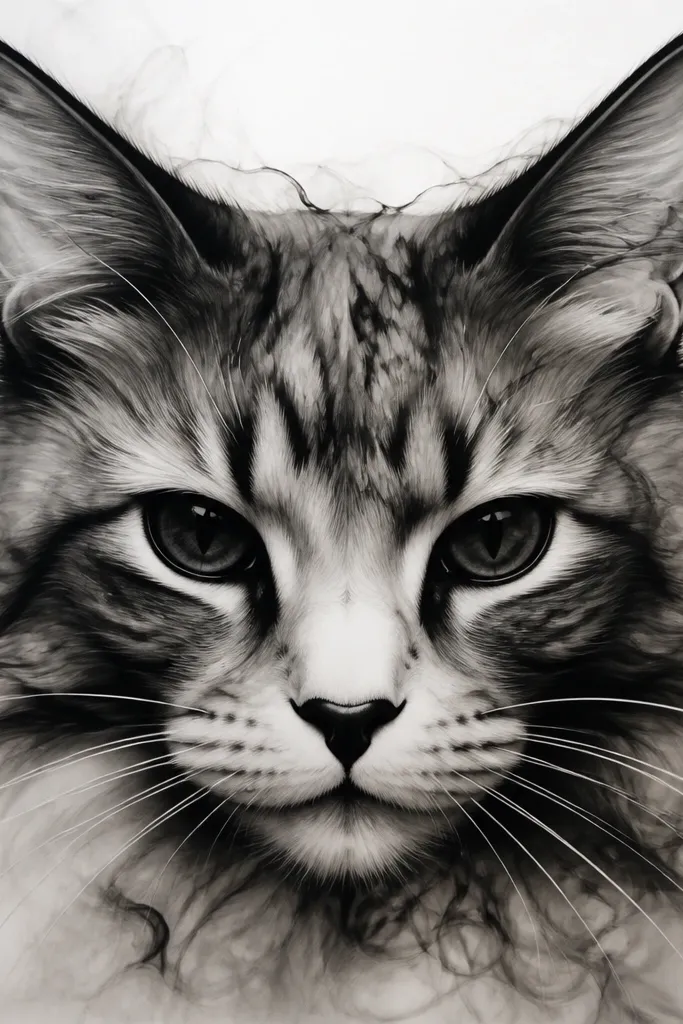
A cat face cover up works because facial shapes are naturally compact - you can hide an older tattoo in a focused area. Smoke fur shading adds texture without relying on lots of tiny lines. The strong outline makes the piece look designed, not buried. It's also a great option when you want something dark but still playful.
Place it on upper arm, shoulder, or side of ribs where the face can stay centered. Keep the eyes and nose small and crisp; the surrounding smoke does the heavy lifting. If your old tattoo has lettering, use smoke shading to fill around where the letters used to be.
Pro tipAsk the artist to test the stencil placement with your arm in the bent position so the face stays symmetrical.
AvoidDon't add lots of whisker lines - thin whiskers tend to fade into the smoke.
7. Sleeve Frame With Black Banner Typography
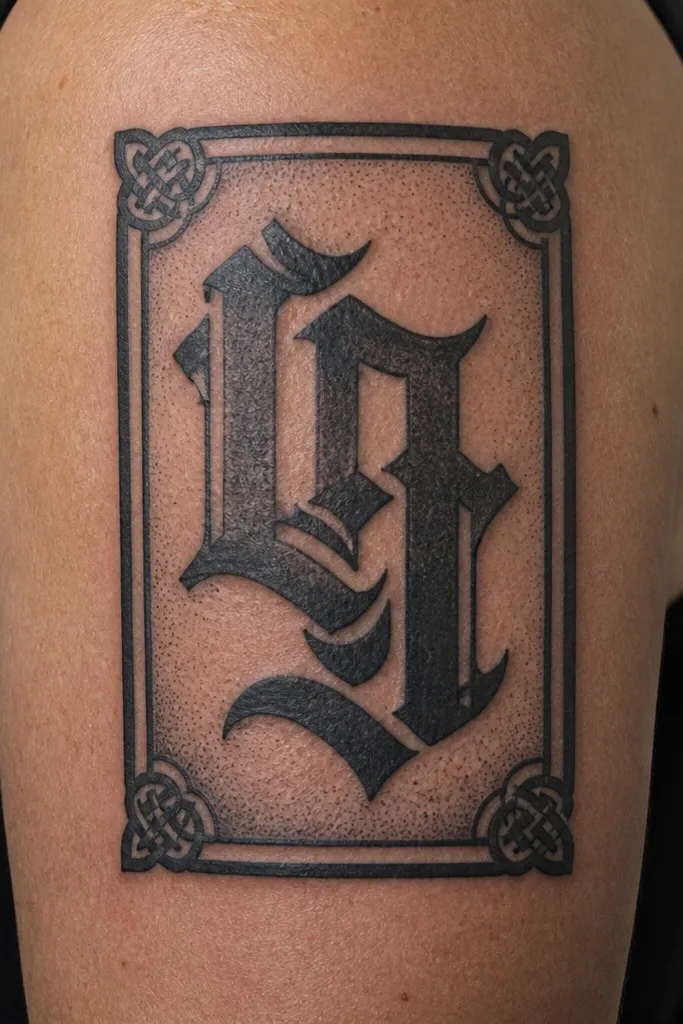
Typography frames are practical cover ups because thick borders and letter blocks hide uneven old lines. Blackletter-style strokes give you thick value and recognizable structure. Stipple backgrounds fill underexposed areas and stop the piece from looking like you pasted black over skin. This approach is great when your old tattoo includes cursive you want gone.
Use a banner that fully covers the old tattoo with a 1 cm margin on each side. Keep the text large enough that the letter strokes are thick - aim for 6-10 mm thick bars. Add corner ornaments only if they're big; tiny flourishes look cluttered with dark shading.
Pro tipIf you're covering a patchy tattoo, ask for extra stipple density where the skin shows through the most.
AvoidAvoid thin script text - it creates gaps that reveal the old tattoo.
8. Black Geode With Resin-Like Shading
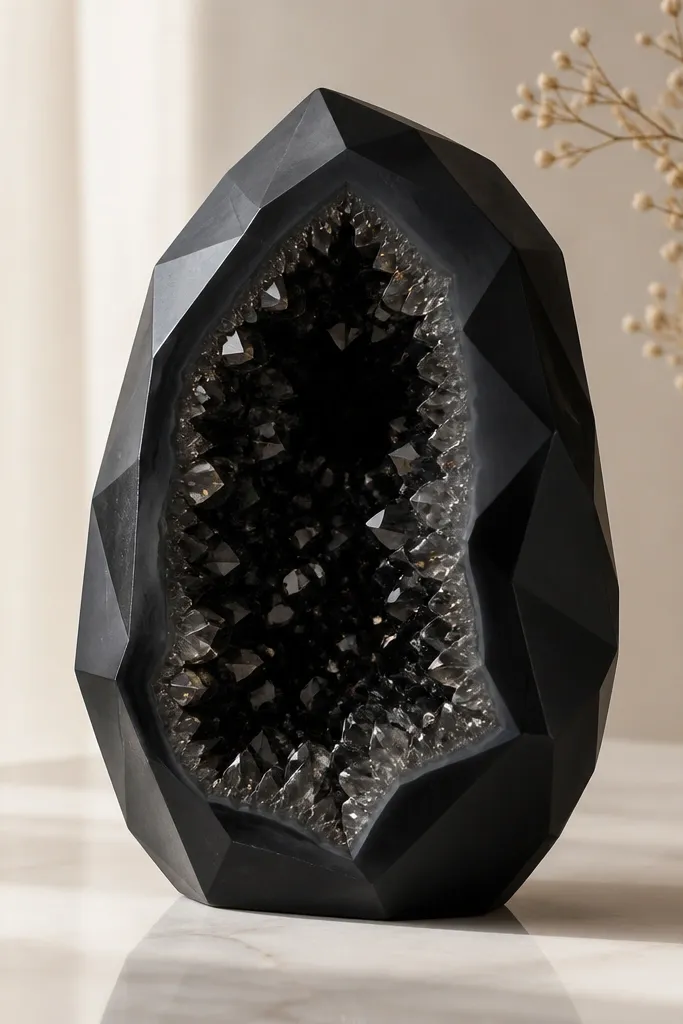
Geodes work because faceted shapes give you built-in boundaries that hide old ink edges. Smooth gradients mimic light and make the cover up look modern instead of heavy. The thick contour line acts like a wall, so the older tattoo underneath doesn't "bleed through" visually. This style also looks great on wrists or forearms when scaled right.
Outline the geode with a thick dark contour, then fill facets with charcoal gradients. Leave tiny highlight dots only on the inner facets - too many makes it look like cheap sparkle. On forearm, tilt the geode so the facets align with the arm's length.
Pro tipAsk for one consistent light direction in the stencil so the shading reads like real stone.
AvoidSkip harsh white highlights - they age fast and can make the cover look patchy.
9. Raven Silhouette With Hooded Smoke
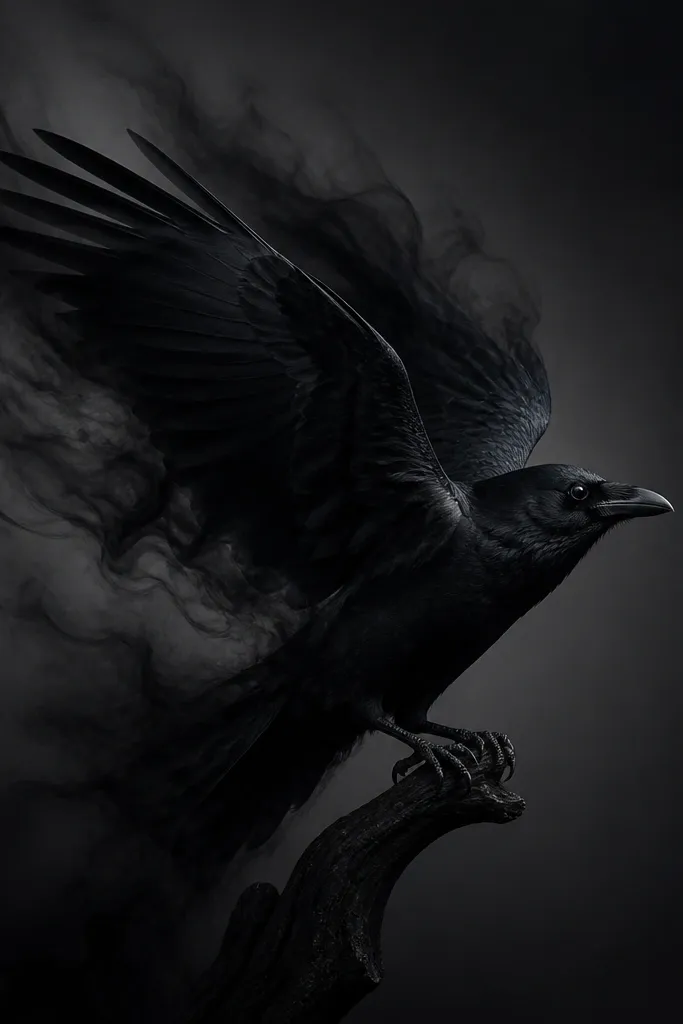
A raven silhouette covers well because it has a clear outer shape and plenty of solid black area. The smoke hood hides transition zones where old tattoos often show through. Crisp beak and claw details keep it from looking like a generic blackout. This is a strong option if your old tattoo is chaotic or has multiple colors.
Place on outer arm or upper shoulder so the wings have room to spread. Keep the main body nearly solid black, then surround it with a 1-2 inch smoke gradient. Add a small dark branch or cloud base if you need a clean bottom edge.
Pro tipBring a photo of a raven you like that has defined wing edges; that shape helps the cover up read clean.
AvoidAvoid tiny feather linework - feathers should be suggested through shading, not drawn as individual lines.
10. Black Orchid With Dotwork Center
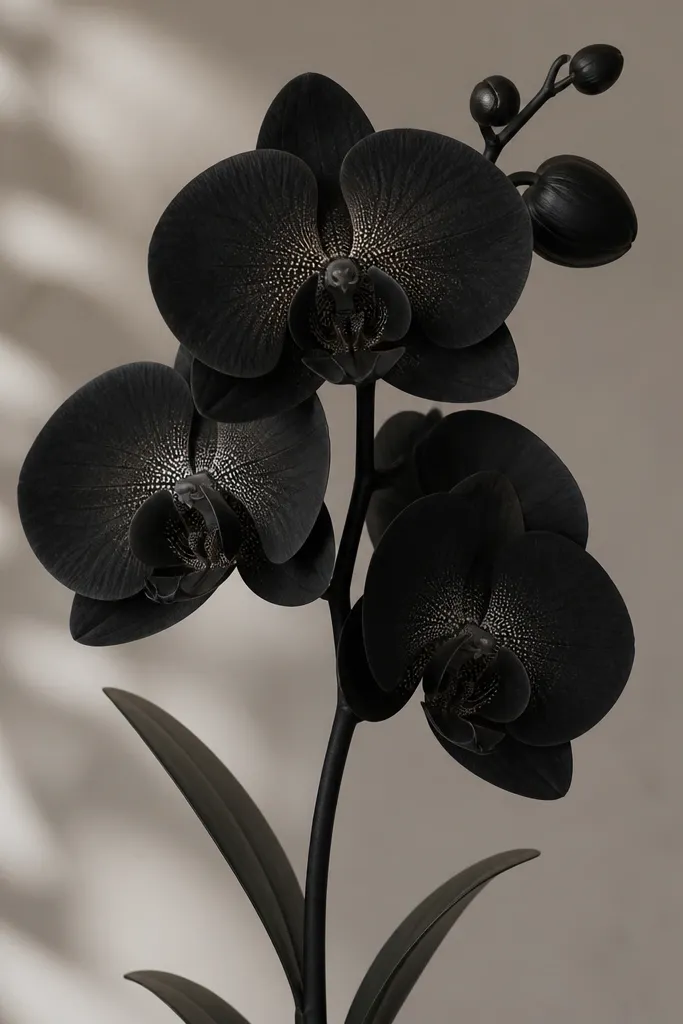
Orchids feel modern because their shapes are sleek and not overly busy. The dotwork center gives depth and texture without adding thin lines everywhere. Dense dots also help hide old ink that has uneven saturation. The lighter stem and leaves keep the whole piece from becoming one heavy block.
Put it on upper arm or calf where you can let the stem stretch. Keep the petals larger than the old tattoo area so the center dotwork has room to do its job. Use a gradient on petals: darker edges, lighter center shading.
Pro tipAsk for the dotwork to be darkest only at the center, then taper - it prevents a "grainy patch" look.
AvoidDon't add too many thin stems - multiple skinny lines can look like scars under dark shading.
11. Midnight Mandala With Oversized Negative Space
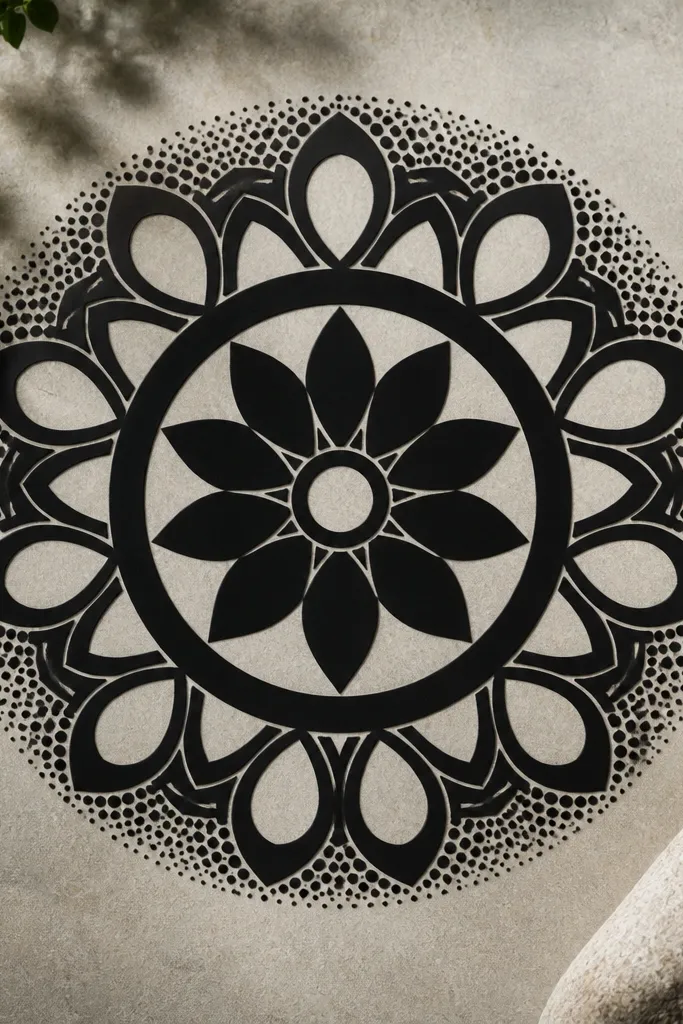
Oversized negative space is the trick when you're covering something that's hard to fully bury. The gaps give your eyes a place to rest, and they stop the cover up from looking like a full blackout. Thick rings hide old edges, while stipple adds texture without clutter. This style looks modern because it's graphic, not lacey.
Choose a mandala design with few big gaps, not lots of tiny ones. Keep the thick rings at least 8-12 mm wide at the widest part. Place it on upper arm or thigh for best stretching and legibility.
Pro tipTell your artist where the old tattoo is darkest so they can concentrate thick rings there and leave gaps in cleaner skin zones.
AvoidAvoid tiny negative spaces - they fill in as the tattoo heals and the design turns muddy.
12. Black Lotus Clockwork Sleeve Piece
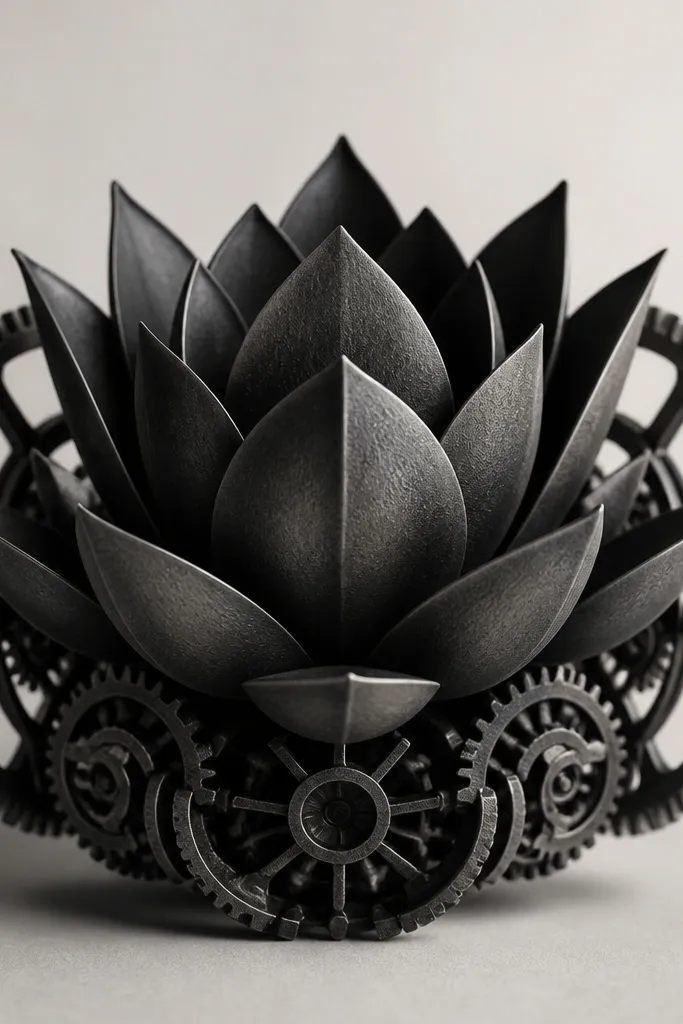
This is my favorite style for cover ups when someone wants dark but also "different." Gears add structure and lines that interrupt the old tattoo's curves, while the lotus keeps it feminine. Charcoal gradients keep it from feeling like pure stencil art. The gear teeth create natural hiding zones for old outlines.
Use a centered lotus with gears wrapping partially around it, not fully covering the whole area. Ask for stipple shading inside gear pockets so the gears look dimensional. Keep the outer silhouette thick and clean so it reads from across the room.
Pro tipIf your old tattoo is circular or ring-shaped, place the lotus center over it and let the gears cover the outer ring remnants.
AvoidSkip thin gear spokes - they disappear and leave the design looking incomplete.